


Blogs
When Does a Claim Become Payable?
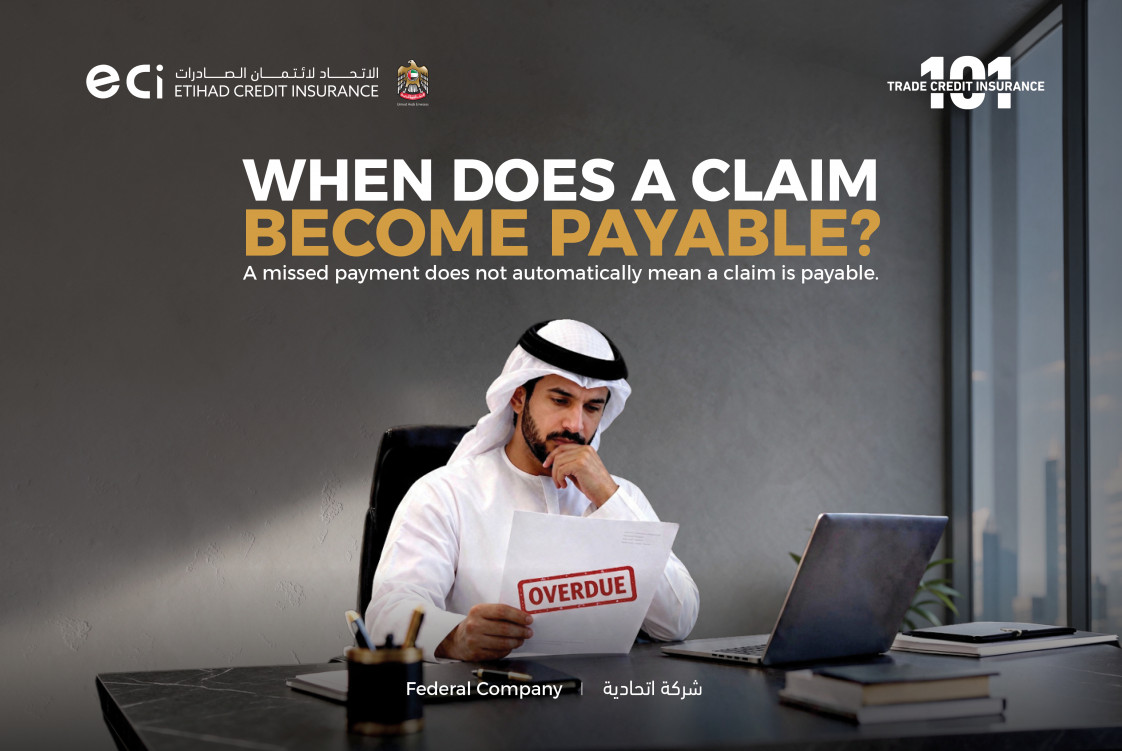
When an overseas buyer fails to pay, exporters may look to their Trade Credit Insurance for financial protection.
However, a missed payment does not automatically mean that a claim becomes payable.
Understanding when a claim may qualify for compensation helps exporters manage expectations and better prepare for potential non-payment situations.
What determines when a claim becomes payable?
A Trade Credit Insurance claim may become payable when the circumstances of non-payment fall within the scope of the insurance coverage and the relevant requirements have been satisfied.
The assessment may consider several factors, including:
- Whether the buyer and transaction are covered
- The circumstances surrounding the non-payment
- Whether any applicable waiting period has passed
- Whether the necessary supporting information has been provided
- Whether the relevant policy conditions have been met
These considerations help determine whether a claim is eligible for compensation.
Does every missed payment lead to a claim?
Not every payment delay results in an eligible insurance claim.
A buyer may miss a payment because of an administrative issue, temporary financial difficulties or other circumstances that may eventually be resolved.
In other situations, the buyer may become insolvent or remain unable to meet its payment obligations for an extended period.
Trade Credit Insurance can provide protection against eligible non-payment events, subject to the applicable policy terms and conditions.
Why does this matter?
Understanding when a claim may become payable can help exporters:
- Set realistic expectations about potential compensation
- Better understand the difference between overdue payments and insured losses
- Prepare relevant supporting information
- Manage financial planning during payment difficulties
Knowing how claims eligibility works helps businesses approach non-payment situations with greater clarity.
A practical example
A UAE exporter supplies goods to an overseas buyer on 60-day payment terms.
When the payment becomes overdue, the exporter contacts the buyer to understand the reason for the delay.
The buyer continues to experience financial difficulties, and the outstanding amount remains unpaid.
The exporter reports the situation to its insurer and provides the relevant supporting information.
Depending on the circumstances and applicable coverage conditions, the claim may be considered for compensation.
How Etihad Credit Insurance (ECI) helps
Etihad Credit Insurance (ECI) supports UAE exporters by:
- Providing protection against eligible non-payment risks
- Helping businesses understand the claims process
- Reviewing claims in accordance with applicable policy conditions
- Supporting exporters when payment difficulties arise