


Blogs
The Claims Process Explained
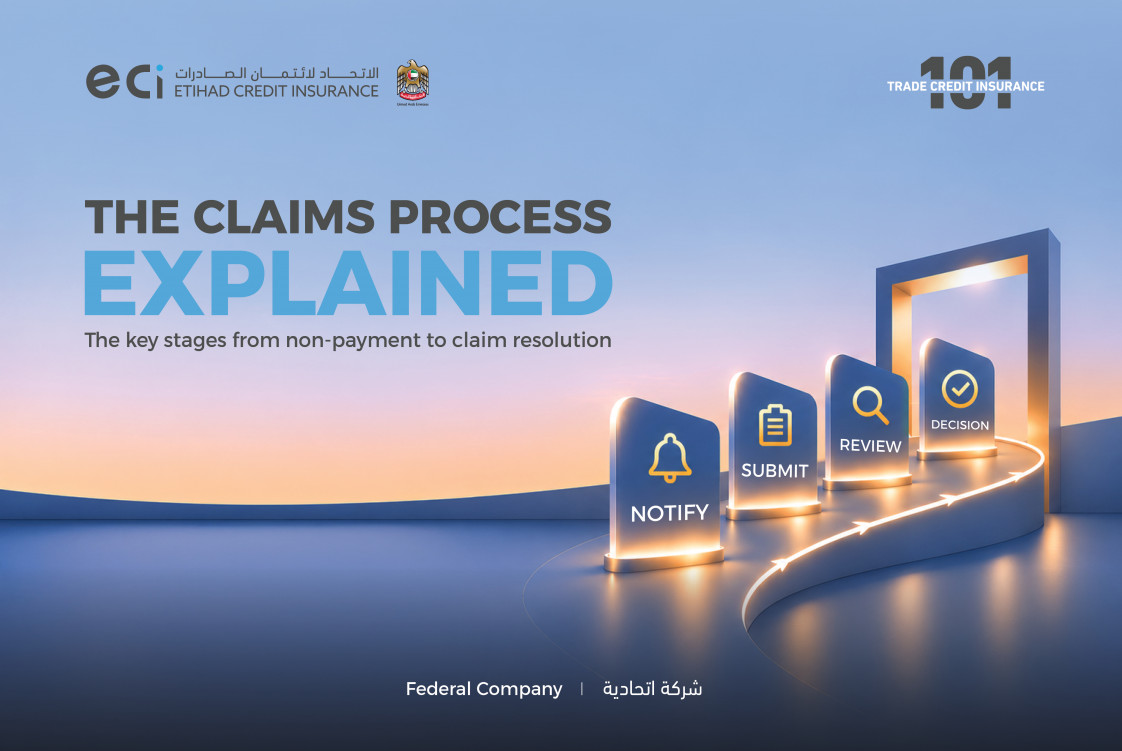
Trade Credit Insurance provides protection against eligible non-payment risks, but understanding how the claims process works is equally important.
When an insured buyer fails to pay, exporters need to understand what happens next and how a claim is assessed.
Having a general understanding of the process can help businesses prepare the necessary information and respond more effectively when payment issues arise.
When can a claim be made?
A claim may be submitted following an eligible non-payment event, in accordance with the applicable policy requirements and submission procedures.
Depending on the coverage, this may involve:
- Buyer insolvency
- Protracted default
- Other eligible non-payment events specified in the policy
Not every overdue invoice automatically qualifies for a claim.
The circumstances of the non-payment and the applicable policy conditions determine whether a claim can be considered.
What happens during the claims process?
Although specific procedures may vary, the claims process generally involves several stages.
1. Notification of non-payment
The exporter informs the insurer about the payment issue in accordance with the policy's notification requirements.
2. Submission of supporting information
The exporter provides the relevant documents and information relating to the unpaid transaction.
3. Review and assessment
The insurer reviews the circumstances of the non-payment, verifies the supporting information, and assesses whether the claim meets the policy conditions.
4. Claims decision
Following the assessment, the insurer determines whether the claim is eligible for payment and, if so, the amount payable under the policy.
Why is documentation important?
Accurate documentation helps insurers understand the transaction and assess the circumstances surrounding the non-payment.
Depending on the claim, relevant documents may include:
- Sales contracts and invoices
- Proof of delivery or shipment
- Payment records
- Communications with the buyer
- Other supporting documents required under the policy
Maintaining clear and organised records throughout the trading relationship can help support the claims assessment process.
Why does this matter?
Understanding the claims process helps exporters know what to expect when a payment issue arises.
It can also help businesses:
- Prepare the necessary documentation
- Understand the importance of timely notification
- Respond more effectively to non-payment situations
- Better understand how claims are assessed
Being familiar with the process is an important part of using Trade Credit Insurance responsibly.
A practical example
A UAE exporter supplies goods to an overseas buyer under a Trade Credit Insurance policy.
The buyer fails to pay, and the exporter follows the required notification procedures.
Once the applicable conditions for submitting a claim are met, the exporter provides the necessary documentation for review.
The insurer assesses the circumstances and supporting information to determine whether the claim qualifies for payment under the policy.
How Etihad Credit Insurance (ECI) helps
Etihad Credit Insurance (ECI) supports UAE exporters by:
- Providing guidance on the claims process
- Reviewing claims in accordance with policy terms and conditions
- Helping exporters understand documentation requirements
- Supporting businesses when covered non-payment events arise