


Blogs
Required Documentation for Claims
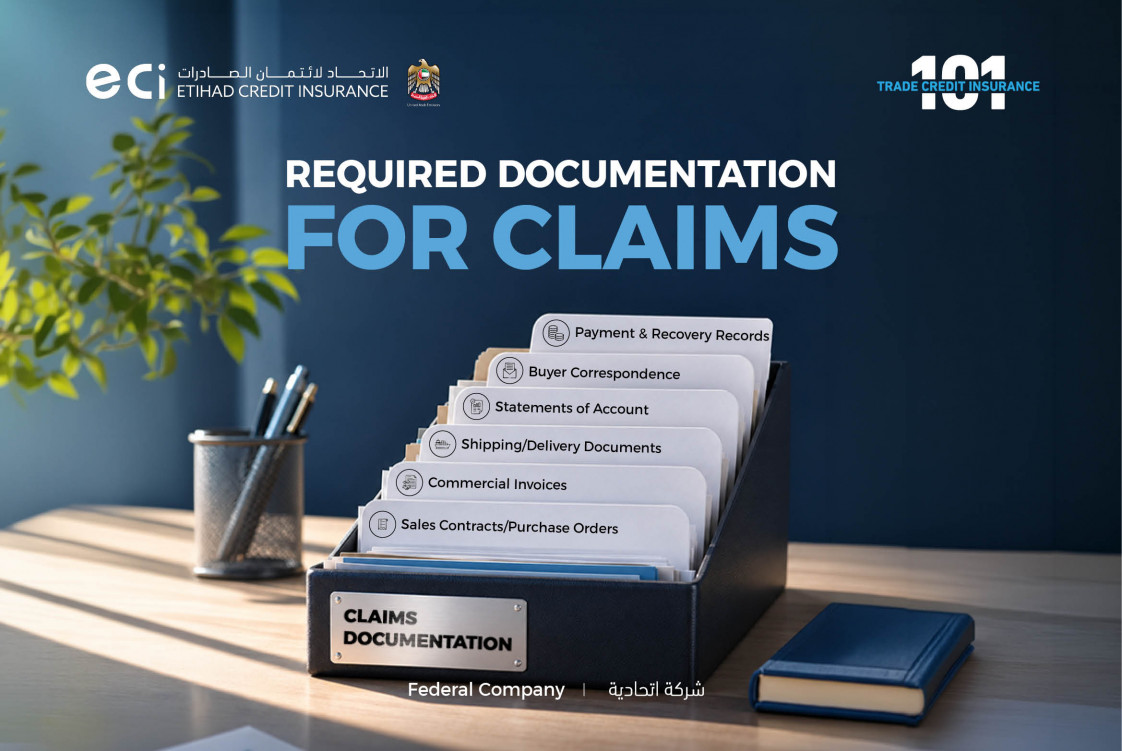
When an insured buyer fails to pay, having accurate and organised documentation is an important part of the Trade Credit Insurance claims process.
Supporting documents help establish the details of a transaction, the amount outstanding and the circumstances surrounding the non-payment.
Maintaining clear records throughout the trading relationship can help exporters prepare more effectively if a claim becomes necessary.
Why is documentation important?
When reviewing a claim, insurers need to understand the transaction and verify the information provided.
Supporting documentation can help establish:
- The commercial relationship between the exporter and buyer
- The goods or services supplied
- The agreed payment terms
- The amount remaining unpaid
- The circumstances surrounding the payment delay
Clear and accurate information supports a more effective claims assessment process.
What types of documents may be needed?
The documentation required may vary depending on the transaction, the circumstances of non-payment and the insurance policy.
Common examples include:
- Sales contracts or purchase orders: Documents outlining the agreed commercial transaction
- Commercial invoices: Records showing the value of goods or services supplied
- Shipping or delivery documents: Evidence supporting the delivery of goods or services
- Statements of account: Records of outstanding balances and payment history
- Buyer correspondence: Communications relating to payment arrangements or overdue amounts
- Payment and recovery records: Information about payments received and efforts made to recover outstanding amounts
Additional documents may be requested depending on the circumstances of the claim.
Why should exporters maintain records throughout the transaction?
Good recordkeeping should be part of everyday business operations, rather than something that begins only when a payment issue arises.
Maintaining accurate records helps exporters:
- Monitor outstanding receivables
- Track buyer payment behaviour
- Maintain clear transaction histories
- Respond more effectively when supporting information is requested
Organised documentation can also help reduce unnecessary delays during the claims assessment process.
A practical example
A UAE exporter supplies products to an overseas customer on credit terms.
After the buyer fails to make payment, the exporter begins gathering the relevant documentation.
The company reviews its purchase orders, invoices, shipping records, statements of account and communications with the buyer.
Having this information readily available helps the insurer understand the transaction and assess the circumstances of non-payment.
How Etihad Credit Insurance (ECI) helps
Etihad Credit Insurance (ECI) supports UAE exporters by:
- Providing guidance on claims documentation
- Helping businesses understand the information that may be required
- Reviewing supporting documents during claims assessment
- Supporting exporters throughout the claims process